
Comprehensive Accounting System: The Complete Guide to Financial Reporting & Voucher Management
Accounting has evolved dramatically over the past few decades. What used to rely on handwritten ledgers and manual calculations is now handled by sophisticated digital platforms capable of managing complex financial operations in real time.
Traditional bookkeeping recording transactions in physical books and manually reconciling accounts worked in simpler times but struggles to meet the demands of fast-paced modern businesses. Spreadsheets and disconnected tools may suffice for very small operations, but they quickly become inefficient, error-prone, and unreliable as transaction volumes grow.
This gap has created a growing need for integrated accounting solutions. Modern accounting systems do more than just record numbers they unify financial functions, automate workflows, provide accurate voucher management, and deliver actionable insights through real-time financial reporting.
Today, businesses need more than just compliance and accuracy they need intelligence. A comprehensive accounting system empowers organizations to monitor performance, identify trends, reduce risks, and make informed financial decisions that drive growth.
What is a Comprehensive Accounting System?
A comprehensive accounting system is an end-to-end financial management solution that handles the complete lifecycle of financial data. This includes recording transactions, processing them systematically, generating reports, and analyzing financial performance.
Unlike basic systems that focus only on data entry, a comprehensive system integrates multiple functions into a cohesive framework. It ensures that every financial activity whether it’s a sale, expense, asset purchase, or payroll transaction is captured, categorized, and reflected in real-time financial reports.
Core Modules Explained
A robust accounting system typically includes several core modules:
- General Ledger (GL): The central repository of all financial transactions. It consolidates data from all modules and forms the basis of financial statements.
- Accounts Payable (AP): Manages outgoing payments, vendor invoices, and liabilities.
- Accounts Receivable (AR): Tracks incoming payments, customer invoices, and outstanding balances.
- Fixed Assets Management: Handles asset acquisition, depreciation, and disposal.
- Payroll Integration: Automates salary calculations, deductions, and compliance with labor laws.
- Inventory Management: Tracks stock levels, cost of goods sold, and inventory valuation.
Basic vs Comprehensive Systems
|
Feature / Factor |
Basic Accounting System |
Comprehensive Accounting System |
|
Target Users |
Small businesses, freelancers |
SMEs, large businesses, enterprises |
|
Functionality |
Core bookkeeping, invoicing |
Advanced reporting, voucher management, payroll, tax, inventory |
|
Automation |
Minimal |
High automated journal entries, reconciliations, workflows |
|
Reporting & Analytics |
Simple P&L and balance sheet |
Real-time dashboards, trend analysis, predictive analytics |
|
Compliance & Security |
Limited |
Strong audit trails, VAT/GST compliance, role-based access |
|
Cost |
Low |
Higher, subscription-based or license fees |
|
Scalability |
Limited |
High supports multi-users and multiple departments |
A comprehensive system not only improves efficiency but also provides a strategic advantage by delivering deeper financial insights.

Financial reporting is the process of turning raw financial data into actionable insights. By leveraging a modern financial accounting system, businesses can evaluate performance, monitor financial health, and make strategic decisions with confidence.
What is Financial Reporting?
Financial reporting transforms numbers into meaningful business intelligence. It goes beyond simple record-keeping, providing visibility into revenue streams, expenses, profitability, and overall financial stability. With tools like financial reporting software, companies can generate accurate and timely reports, reducing errors and enabling proactive decision-making.
Core Financial Statements
Profit & Loss Statement (Income Statement)
- Shows revenue, expenses, and profit over a specific period.
- Highlights top-performing products or services through revenue analysis.
- Reveals cost structures to track operational efficiency.
- Provides profit margins to assess overall business health.
Balance Sheet
- Offers a snapshot of the company’s financial position at a point in time.
- Assets: What the business owns.
- Liabilities: What the business owes.
- Equity: The owner’s stake in the company.
Cash Flow Statement
- Tracks cash inflows and outflows.
- Operating activities: Daily business operations.
- Investing activities: Purchases or sales of assets.
- Financing activities: Loans, equity investments, or debt repayments.
Advanced Reporting Capabilities
Modern accounting software with financial dashboards offers advanced reporting features that traditional systems cannot:
- Real-time dashboards: Monitor performance instantly.
- Customizable reports: Tailor insights for departments, projects, or timeframes.
- Department-wise tracking: Evaluate financial performance by team or division.
- Budget vs. actual comparisons: Identify variances and optimize planning.
Importance for Stakeholders
Financial reporting is vital for all stakeholders:
- Business owners: Track profitability and make growth-oriented decisions.
- Investors: Assess financial stability and potential returns.
- Auditors: Ensure compliance and accuracy of records.
- Regulators: Verify adherence to financial laws and accounting standards.
Common Reporting Mistakes to Avoid
Even with a solid business accounting software, errors can occur:
- Delayed reporting: Leads to outdated insights and missed opportunities.
- Inconsistent data: Disconnected tools or spreadsheets create inaccuracies.
- Lack of standardized formats: Makes it hard to compare periods or departments.
A modern financial accounting solution system addresses these challenges, providing standardized, automated, and real-time reporting capabilities that support better business decisions.
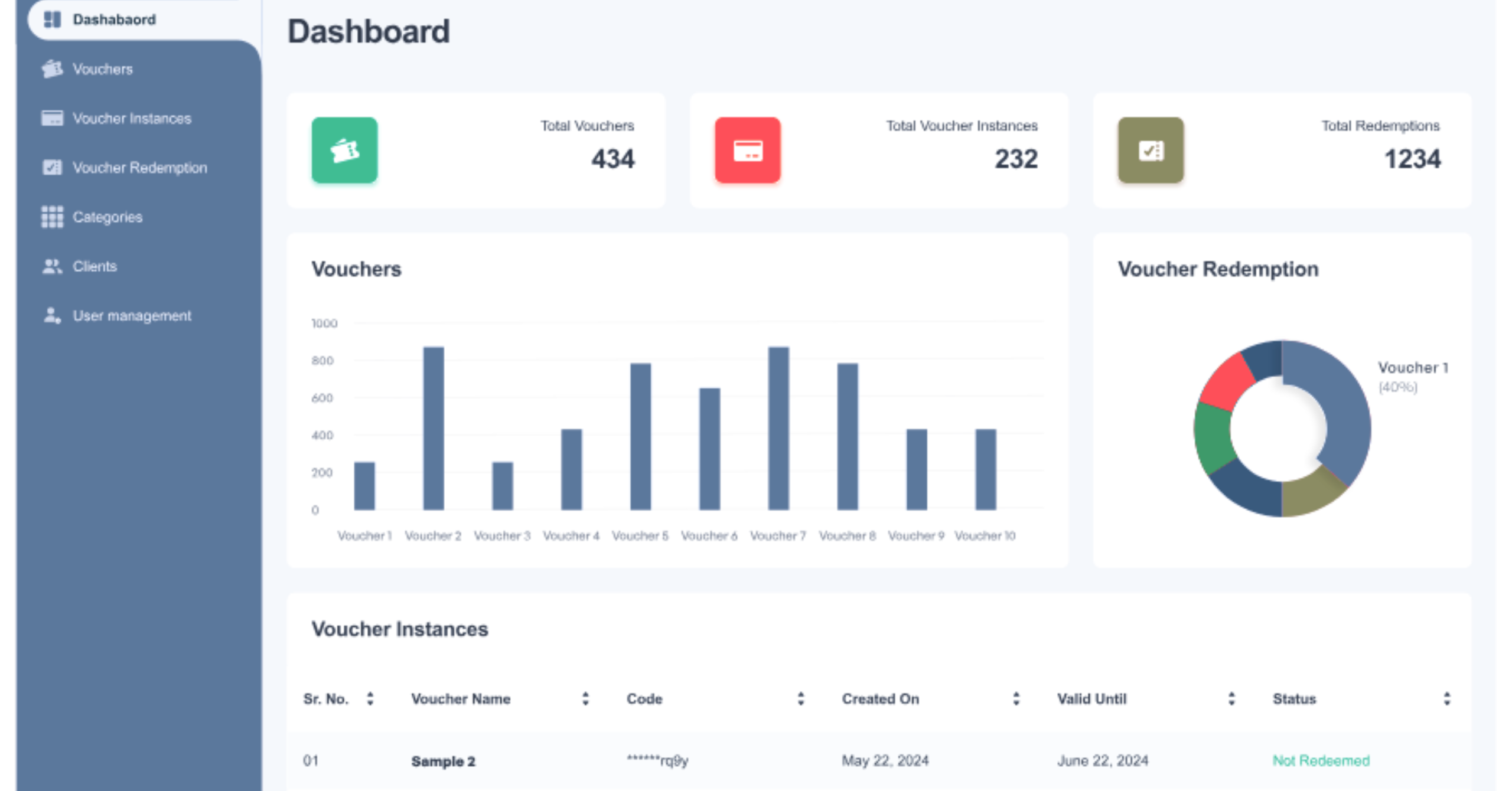
Voucher Management System: The Foundation of Accurate Accounting
A strong voucher management system is essential for maintaining accurate financial records. Vouchers serve as the backbone of bookkeeping, providing proof for every transaction and ensuring transparency, compliance, and audit readiness.
What is a Voucher in Accounting?
In accounting, a voucher is a source document that supports financial transactions. It acts as formal proof, recording the details of each payment, receipt, or adjustment. Proper voucher management is critical for audits, compliance, and preventing errors or fraud.
Types of Vouchers in a Modern Accounting System
Modern accounting systems categorize financial transactions using different voucher types, helping businesses maintain accurate records, streamline reporting, and ensure compliance. Here’s a detailed look at each type:
- Payment Voucher
Records all outgoing payments from the business. This voucher ensures that every payment whether to suppliers, service providers, or for operational expenses is properly documented.
Example: Paying supplier invoices, utility bills, or monthly rent. - Receipt Voucher
Captures all incoming cash or bank receipts. It helps track money received from customers, loans, or other sources, ensuring transparency in cash flow.
Example: Customer payments for products or services. - Journal Voucher
Used for non-cash transactions, adjustments, or corrections in accounts. Journal vouchers are essential for maintaining accurate financial statements.
Example: Depreciation, accruals, or correcting accounting errors. - Contra Voucher
Facilitates internal fund transfers between accounts within the organization. It ensures proper tracking of cash movement and prevents discrepancies.
Example: Transferring funds from a bank account to petty cash. - Purchase & Sales Vouchers
Records all purchase and sales transactions, providing a clear trail of inventory movement, expenses, and revenue. These vouchers are crucial for accurate profit calculation.
Example: Recording inventory purchases, sales invoices, or returns.
Using a modern accounting system ensures these vouchers are automatically linked to ledgers, reports, and dashboards, minimizing errors and improving efficiency.
The Voucher Lifecycle
A well-managed voucher system follows a structured lifecycle:
- Creation – Recording the transaction in the system.
- Approval – Authorized personnel review and approve the entry.
- Recording – Posting the voucher to the general ledger.
- Verification – Ensuring accuracy and compliance with policies.
- Archiving – Secure storage for future audits and reference.
A robust voucher approval workflow ensures that all transactions are verified before posting, reducing errors and potential fraud.
Digital Voucher Management
Modern voucher entry systems and accounting voucher management software have transformed how businesses handle vouchers:
- Automated voucher creation – Reduces manual data entry and errors.
- Document attachments – Upload invoices, receipts, or contracts for verification.
- Searchable databases – Quickly find historical vouchers for audits or reports.
- Complete audit trails – Track changes, approvals, and user activity for compliance.
Digital systems streamline operations, enhance accuracy, and save time compared to traditional paper-based methods.
Risks of Poor Voucher Management
Inefficient voucher management can lead to:
- Fraud – Unauthorized transactions or tampering with records.
- Duplicate entries – Confusing reporting and incorrect financial statements.
- Compliance violations – Penalties due to missing documentation or incorrect records.
Implementing a modern payment voucher software and structured voucher management system ensures financial integrity and minimizes risk.

Key Features of a Modern Accounting System
Modern accounting systems go far beyond basic bookkeeping. They combine automation, integration, cloud capabilities, and robust security to help businesses manage finances efficiently, accurately, and in real time.
Automation
Automation is at the heart of contemporary accounting solutions. A true automated accounting system reduces manual work, improves accuracy, and ensures timely financial insights. Key automation features include:
- Automated journal entries – Automatically post recurring or standard entries without manual intervention.
- Recurring transactions – Schedule invoices, bills, or payments to streamline daily operations.
- Bank reconciliation – Automatically match bank transactions with ledger entries, minimizing errors and saving time.
Automation enables finance teams to focus on analysis and strategic decision-making rather than repetitive tasks.
Integration Capabilities
Modern accounting systems often integrate with other business platforms to create a seamless financial ecosystem. Key integrations include:
- ERP accounting modules – Connect accounting with inventory, HR, or manufacturing operations.
- CRM platforms – Sync sales, invoicing, and revenue data automatically.
- Payment gateways – Streamline online transactions and automate receipt tracking.
- Banking APIs – Pull real-time bank data for accurate cash flow monitoring.
These integrations provide a single source of truth, reducing discrepancies and improving workflow efficiency.
Cloud-Based Accounting
Cloud technology has revolutionized accounting by enabling remote access and collaboration. Cloud accounting software offers:
- Access from anywhere – Work securely from office, home, or on the go.
- Multi-user collaboration – Allow multiple team members to work simultaneously with controlled access.
- Real-time updates – Ensure that financial data is always current for faster, informed decisions.
Cloud systems are scalable, cost-effective, and ideal for businesses looking to modernize their accounting processes.
Security & Compliance
A secure and compliant system protects sensitive financial data and ensures adherence to regulations. Features include:
- Role-based access – Control who can view, edit, or approve financial records.
- Data encryption – Keep all financial information safe from unauthorized access.
- Tax compliance – Automatically calculate VAT, GST, or other taxes based on local regulations.
- Audit logs – Maintain detailed records of all user actions for accountability and audits.
A secure accounting system ensures both business integrity and regulatory compliance, reducing the risk of fraud or errors.
Benefits of a Comprehensive Accounting System
A comprehensive accounting system is more than just software it’s a strategic tool that transforms financial management, streamlines operations, and supports business growth. Modern accounting systems offer measurable benefits across efficiency, accuracy, compliance, and decision-making.
Operational Efficiency
Automation is a key feature of a modern accounting system. By reducing repetitive manual tasks such as journal entries, bank reconciliations, and voucher approvals, businesses can significantly speed up processes and free up staff to focus on strategic activities.
With features like automated accounting workflows and payment voucher software, companies can handle higher transaction volumes without additional resources, improving overall productivity.
Accuracy & Error Reduction
Human errors are one of the biggest risks in financial management. A comprehensive system uses standardized workflows, automated calculations, and audit trails to ensure data integrity.
- Reduces mistakes in financial statement generation
- Eliminates duplicate entries in voucher management
- Maintains consistent data across multiple departments and systems
This level of accuracy is crucial for maintaining stakeholder trust and avoiding costly accounting errors.
Real-Time Financial Visibility
Modern cloud-based accounting systems provide real-time financial dashboards and instant insights into revenue, expenses, cash flow, and profitability. Businesses can:
- Monitor key performance indicators (KPIs) on demand
- Compare budgets vs. actuals immediately
- Make data-driven decisions with confidence
Real-time visibility helps companies respond quickly to market changes and optimize financial performance.
Scalability
Comprehensive accounting systems grow with your business. Whether you are a startup, SME, or large enterprise, these systems can adapt to increasing transaction volumes, additional users, and more complex workflows.
- Multi-user access and role-based permissions
- Integration with ERP, CRM, and banking systems
- Flexible reporting for multiple departments or locations
Scalability ensures that businesses won’t outgrow their accounting software, reducing the need for costly replacements.
Better Compliance & Audit Readiness
A well-structured accounting system ensures that all financial records are organized, accurate, and audit-ready. Features like voucher approval workflows, audit logs, and tax compliance tools make it easier to:
- Meet regulatory requirements such as VAT or GST
- Prepare for internal and external audits
- Minimize the risk of compliance violations or penalties
Compliance is no longer a reactive task it becomes an integrated part of everyday financial management.
Challenges Businesses Face Without a Comprehensive Accounting System
Operating without a modern accounting system can create significant obstacles for businesses of all sizes. Reliance on manual processes, spreadsheets, or disconnected tools may seem manageable at first, but as operations grow, these limitations quickly become costly.
Over-Reliance on Spreadsheets
Many small businesses still depend on spreadsheets for bookkeeping. While spreadsheets can track basic transactions, they are prone to human error, difficult to reconcile, and not designed for complex financial reporting.
- Manual entry increases the risk of duplicate or incorrect data
- Limited automation slows down journal entries, bank reconciliation, and voucher tracking
- No real-time dashboards to monitor financial performance
Data Silos
Without an integrated accounting solution, financial information is often scattered across multiple tools or departments. This creates data silos, where different teams have inconsistent or outdated information.
- Hinders decision-making due to incomplete or inaccurate data
- Makes collaboration between departments more difficult
- Complicates consolidation of financial statements for audits or reporting
Limited Transparency
A lack of a centralized system reduces visibility into business finances. Key stakeholders owners, managers, or investors may struggle to access real-time financial insights, leading to delayed decisions and missed opportunities.
- Inability to monitor cash flow, profit margins, or department-wise performance
- Difficulty identifying trends or inefficiencies in operations
Compliance Risks
Manual accounting processes or incomplete records can lead to regulatory and tax compliance risks. Without proper voucher management software or standardized workflows, businesses may:
- Fail to maintain audit-ready records
- Miss VAT, GST, or other tax reporting requirements
- Face penalties or fines during inspections
Time-Consuming Audits
Audits become unnecessarily long and complex without an automated accounting system. Gathering documentation, reconciling accounts, and verifying transactions can take weeks, diverting resources from strategic activities.
- Manual cross-checking of transactions increases errors
- Difficult to track approvals or voucher history without audit trails
- Longer audit cycles can delay business decisions and reporting
How to Choose the Right Accounting System with Meek Technologies
Selecting the right accounting system is critical for efficient financial management, compliance, and business growth. With so many options available from basic bookkeeping tools to advanced cloud-based accounting software businesses need a structured approach to make the right choice. Meek Technologies helps organizations navigate this process by providing expert guidance, scalable platforms, and tailored solutions to meet unique business requirements.
Business Needs Assessment
Start by evaluating your industry requirements, transaction volume, and operational complexity. Different businesses have unique needs:
- Retail may require inventory-integrated accounting.
- Service-based businesses might focus on accounts receivable management.
- Startups may prioritize affordable, SME-friendly accounting systems.
Meek Technologies’ experts work closely with clients to understand current operations and future growth, ensuring the system selected can scale as the business grows.
Must-Have Features Checklist
Identify core features your business cannot do without. Key features in Meek Technologies’ accounting system include:
- Advanced financial reporting – Profit & loss statements, balance sheets, and real-time dashboards.
- Voucher automation – Automated creation, approval, and tracking of all financial transactions.
- Integration capabilities – Connect with ERP, CRM, payment gateways, or banking APIs for seamless workflows.
- Optional features: payroll accounting, tax calculation, multi-currency support, and AI-powered analytics.
A clear feature checklist helps you compare systems effectively and avoid missing essential functionality.
Usability & UX
A system is only effective if your team can use it efficiently. With Meek Technologies’ accounting platform, you get:
- Ease of use – Intuitive interfaces reduce errors and training time.
- Multi-user support – Different teams can collaborate while maintaining controlled access.
- Mobile and cloud access – Access financial data securely anytime, anywhere.
Prioritizing user experience ensures smooth adoption and minimizes onboarding challenges for the entire organization.
Cost vs ROI
Don’t focus solely on the initial purchase or subscription cost. Consider the long-term ROI of adopting accounting system:
- Savings from automation and reduced manual work.
- Time saved through real-time reporting and voucher management.
- Reduced compliance risks and audit costs.
Investing in Meek Technologies’ solutions pays off by improving efficiency, accuracy, and delivering actionable business insights.
Vendor Evaluation
Finally, assess the provider’s reliability and support. Meek Technologies ensures:
- Customer support quality – 24/7 assistance and prompt responsiveness.
- Updates & maintenance – Regular updates to comply with new regulations and enhance system features.
- Security standards – Data encryption, role-based access, and compliance with VAT/GST or local regulations.
Partnering with Meek Technologies guarantees smooth implementation, system longevity, and secure financial operations for your business.
Implementation Strategy for a Modern Accounting System
Implementing a new accounting system requires careful planning, testing, and staff engagement to ensure a smooth transition and maximize benefits.
Planning Phase
- Set goals – Define objectives like improving reporting, automating vouchers, or ERP/CRM integration.
- Engage stakeholders – Include finance, department heads, and IT for alignment.
- Establish timelines – Set realistic deadlines for each phase.
Data Migration
- Clean data – Remove duplicates, correct errors, standardize formats.
- Map data – Align historical records with the new system.
- Test imports – Run trial migrations to ensure accuracy.
Staff Training
- Role-based sessions – Tailor training for finance staff, managers, and auditors.
- Provide resources – Manuals, guides, and tutorials.
- Hands-on practice – Allow employees to perform typical tasks.
Testing & Go-Live
- Pilot testing – Process a small set of transactions to identify issues.
- Resolve errors – Fix discrepancies and workflow gaps.
- Full deployment – Move all operations once confident.
Post-Implementation Review
- Monitor performance – Track accuracy, reporting, and efficiency.
- Collect feedback – Identify issues and improvement areas.
- Optimize system – Adjust settings and workflows for better performance.
Best Practices for Using Accounting Systems
Even the most advanced accounting system delivers optimal results only when businesses follow consistent best practices. Implementing standardized workflows, maintaining accurate records, and leveraging automation can significantly improve efficiency, accuracy, and compliance.
Regular Reconciliation
Reconciliation is critical to ensure that your financial records match bank statements, invoices, and receipts:
- Perform monthly bank reconciliations to catch discrepancies early.
- Use automated online accounting system tools to reduce manual errors and save time.
- Maintain accurate cash flow tracking for better decision-making.
Regular reconciliation keeps your business finances reliable and audit-ready.
Consistent Voucher Entry
Accurate and consistent voucher entry is the backbone of a voucher management system:
- Enter all payment, receipt, journal, and contra vouchers promptly.
- Use voucher approval workflows to ensure each entry is verified and authorized.
- Attach supporting documents such as invoices or receipts for audit compliance.
Consistent voucher management ensures accurate financial reporting and reduces errors.
Monthly Reporting Cycles
Establishing a regular reporting routine helps businesses monitor performance and make timely decisions:
- Generate profit & loss statements, balance sheets, and cash flow reports monthly.
- Leverage financial dashboards for real-time insights.
- Compare actual performance against budgets to identify trends and variances.
Monthly reporting promotes proactive financial management and strategic planning.
Internal Audits
Internal audits strengthen accuracy, compliance, and accountability:
- Review financial entries and voucher records regularly.
- Verify that automated workflows and reconciliations function correctly.
- Identify gaps or discrepancies before external audits.
Regular audits ensure your online accounting system remains reliable and compliant with regulations.
Secure Data Backups
Data security is crucial for any modern cloud accounting software:
- Perform regular backups of financial data to prevent loss.
- Use role-based access controls and data encryption to protect sensitive information.
- Store backups both on-site and off-site or in secure cloud storage for redundancy.
Secure backups reduce the risk of data loss due to human error, system failure, or cyber threats.
FAQs
Q: What is voucher management in accounting?
A: Managing and tracking transaction documents to ensure accuracy and compliance.
Q: Why is financial reporting important?
A: It gives insights into performance and aids decision-making.
Q: Can small businesses use comprehensive systems?
A: Yes, many systems are scalable and SME-friendly.
Q: Is cloud accounting safe?
A: Yes, modern systems use encryption and secure access controls.
Q: What is an accounting system?
A: Software to record, manage, and analyze financial transactions.
Q: What are the benefits of modern accounting software?
A: Automation, real-time insights, error reduction, and compliance.
Q: Do I need staff training for accounting software?
A: Yes, role-based training ensures efficient use and fewer errors.
Q: Can accounting systems integrate with other tools?
A: Yes, Meek Technologies’ accounting software integrates seamlessly with ERP, CRM, payroll, and banking systems, providing a unified financial ecosystem for your business.
Conclusion
A comprehensive accounting system is no longer a luxury it is a necessity for modern businesses. Meek Technologies offers advanced accounting solutions that ensure accurate financial reporting, structured voucher management, and real-time visibility into business performance. By integrating all financial processes into a single platform, Meek Technologies’ systems help businesses reduce errors, improve efficiency, and make smarter strategic decisions.
As competition intensifies and regulatory requirements grow more complex, adopting a robust accounting system from Meek Technologies becomes essential for long-term success. Explore Meek Technologies solutions, request a demo, or consult with their experts to find the perfect system for your business.
Explore modern accounting solutions, request a demo, or consult with experts to find the right system for your business today.